
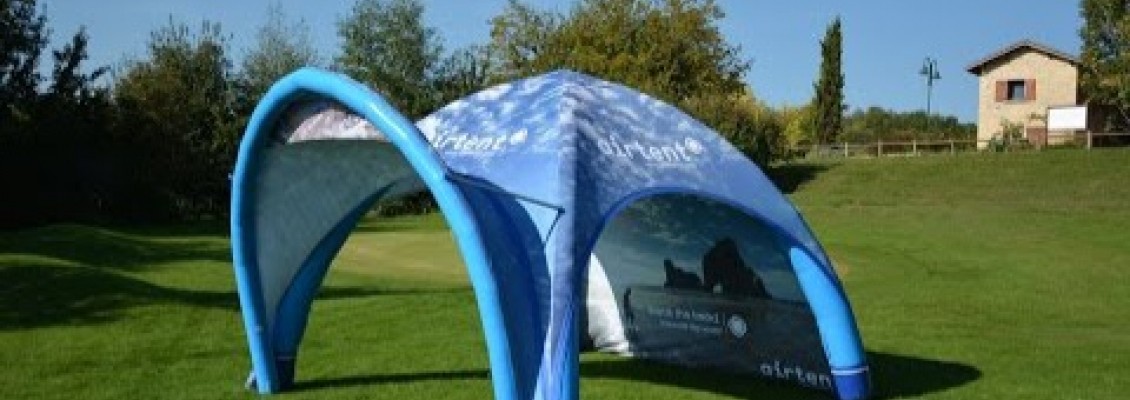
Maintenance Tips to Extend the Life of Your Gazebo
Gazebos are an essential tool for businesses and organisations that participate in outdoor events, trade shows, festivals, and promotional campaigns. A high-quality gazebo not only protects staff and products from weather conditions but also acts as a powerful branding platform that helps attract visitors and strengthen brand visibility.
However, like any professional equipment used regularly, gazebos require proper care and maintenance to ensure they remain in excellent condition. Without regular maintenance, even durable structures can suffer from wear and tear caused by transport, weather exposure, and repeated assembly.
By following a few simple maintenance practices, businesses can significantly extend the lifespan of their gazebo, protect their investment, and maintain a professional appearance at every event.
In this article, we will explore practical tips to keep your gazebo in optimal condition and ensure it continues to perform effectively for years.
Why Gazebo Maintenance Is Important
Regular maintenance plays a crucial role in preserving both the functionality and appearance of your gazebo. A well-maintained structure ensures that the frame remains stable, the fabric stays clean and durable, and the branding continues to look professional.
When gazebos are neglected, small issues such as loose joints, minor tears, or accumulated dirt can quickly develop into larger problems. These issues can reduce the stability of the structure, damage the visual quality of the branding, and even create safety concerns during events.
Proper maintenance helps prevent these problems and ensures that your gazebo always represents your brand in the best possible way.
Clean the Fabric After Each Event
One of the most important maintenance tasks is cleaning the canopy and sidewalls after each event. Outdoor environments expose gazebos to dust, mud, pollen, and pollution, which can accumulate on the fabric over time.
After dismantling your gazebo, inspect the fabric and remove any visible dirt with a soft brush or cloth. For deeper cleaning, mild soap and warm water can be used to gently wash the material.
Avoid using harsh chemicals or abrasive cleaning tools, as these can damage the protective coating and affect the colour of the printed graphics.
Allow the fabric to dry completely before storing it to prevent mould and unpleasant odours.
Inspect the Frame Regularly
The frame is the structural foundation of the gazebo, so keeping it in good condition is essential. Regular inspections can help identify early signs of wear such as loose screws, bent joints, or weakened connectors.
Before and after each event, check that all moving parts function smoothly and that the frame opens and closes correctly. Tighten any loose components and replace damaged parts when necessary.
If your gazebo uses aluminium or steel frames, ensure that there are no signs of rust or corrosion. Keeping the frame clean and dry will help maintain its durability.
Store the Gazebo Properly
Proper storage is one of the most effective ways to extend the lifespan of your gazebo. After each event, ensure that all components are completely dry before packing them away.
Storing a wet gazebo can lead to mould growth and fabric deterioration. Always allow the canopy and walls to air dry thoroughly before folding them.
Use the protective carrying bag or case provided with the gazebo to prevent damage during storage. Ideally, store the gazebo in a cool, dry environment away from direct sunlight and humidity.
Avoid placing heavy objects on top of the stored structure, as this could deform the frame or damage the fabric.
Protect Your Gazebo During Transport
Transportation is one of the moments when gazebos are most vulnerable to damage. Frames can become scratched, and fabrics may tear if they are not properly packed.
Using a reinforced transport bag with wheels can make handling easier and protect the structure during travel. Ensure that all components are securely folded and that sharp objects are not placed in contact with the fabric.
Careful transport practices can prevent unnecessary damage and reduce maintenance costs over time.
Use Proper Anchoring at Events
Weather conditions, especially wind, can put significant stress on gazebo structures. Proper anchoring is essential to maintain stability and prevent damage.
Use weights, ground stakes, or anchoring systems appropriate for the surface where the gazebo is installed. This not only ensures safety but also protects the frame from sudden movements caused by strong wind gusts.
Failing to secure the gazebo properly can result in structural damage or accidents during events.
Repair Minor Damage Quickly
Small issues such as minor fabric tears or loose joints should be addressed as soon as they are noticed. Quick repairs prevent these problems from becoming more serious over time.
Repair kits designed for gazebo fabrics can be used to patch small tears. Similarly, replacement connectors or screws can restore the frame’s stability.
Taking action early ensures that your gazebo remains safe and visually appealing.
Schedule Periodic Deep Maintenance
In addition to routine care, it is beneficial to perform a more detailed inspection periodically. This may include thoroughly cleaning the fabric, lubricating moving parts of the frame, and checking all structural components.
Professional maintenance services can also help ensure that the gazebo continues to meet safety and performance standards.
Final Thoughts
A gazebo is an important investment for businesses that rely on events and outdoor promotions to connect with customers. With proper maintenance and careful handling, a high-quality gazebo can last for many years while maintaining its professional appearance and functionality.
By cleaning the fabric regularly, inspecting the frame, storing the structure correctly, and addressing minor issues quickly, businesses can significantly extend the life of their gazebo.
These simple practices not only protect the structure but also ensure that your brand always appears organised, professional, and ready to engage visitors at every event.
1 Comment(s)
Hello, everything is going nicely here and ofcourse every one is
sharing information, that's genuinely fine, keep up writing.
Leave a Comment