How to Measure the ROI of Your Gazebo at Trade Shows and Events
Trade shows, outdoor promotions, festivals, and corporate events represent major opportunities for businesses to interact directly with potential customers. However, participating in events also involves significant investment. Companies must consider costs such as event registration, staffing, logistics, marketing materials, and promotional infrastructure.
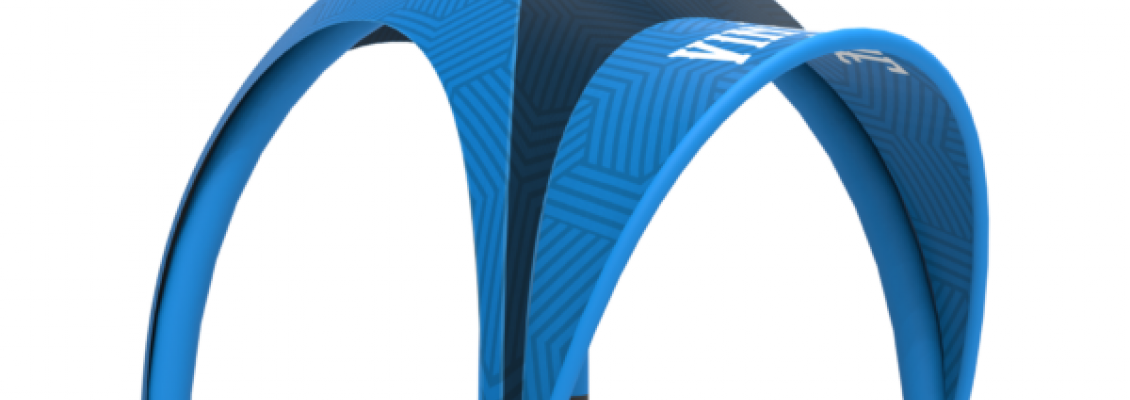
One of the most valuable elements of an event setup is a branded gazebo. It provides shelter, visibility, and a professional space where brands can engage with visitors. Companies like Airloft specialise in creating high-quality branded gazebos designed specifically for event marketing.
But how can businesses determine whether this investment actually delivers results? Measuring the return on investment (ROI) of your gazebo and event presence is essential for understanding the effectiveness of your marketing strategy.
Understanding ROI in Event Marketing
ROI, or return on investment, is a metric that helps companies evaluate the financial impact of their marketing efforts. In the context of events, ROI measures how much value a company generates compared to the total cost of participating.
Calculating ROI for events is slightly more complex than other marketing channels because the benefits are not always immediate. In addition to direct sales, events can generate brand awareness, new partnerships, and long-term customer relationships.
A gazebo often acts as the centrepiece of an event stand, meaning its design, placement, and branding play a major role in attracting visitors and generating leads.
Step 1: Define Your Event Objectives
Before measuring ROI, businesses must clearly define their objectives for attending the event. These goals may vary depending on the company’s marketing strategy.
Some common objectives include:
-
Generating qualified leads
-
Increasing brand awareness
-
Launching a new product
-
Strengthening relationships with existing clients
-
Collecting customer feedback
-
Expanding into new markets
When goals are clearly defined, it becomes much easier to measure whether the event—and your gazebo setup—was successful.
Step 2: Calculate the Total Investment
To measure ROI accurately, companies must first determine the total cost of participating in the event.
This typically includes:
-
Event registration or exhibition fees
-
Travel and accommodation
-
Staff salaries and training
-
Transportation of equipment
-
Marketing materials and promotional products
-
Gazebo purchase or rental
-
Setup and logistics costs
A high-quality gazebo from Airloft may represent an initial investment, but because it can be reused at multiple events, its cost is often distributed across several campaigns.
Understanding the full investment helps create a realistic picture of the event’s financial impact.
Step 3: Track Visitor Engagement
One of the most important indicators of event success is visitor engagement. A well-designed gazebo should attract people and encourage them to interact with your brand.
Companies can track engagement in several ways:
-
Counting the number of visitors entering the gazebo
-
Recording product demonstrations or conversations
-
Measuring participation in activities or competitions
-
Tracking QR code scans or digital interactions
The more visitors your gazebo attracts, the greater the potential return from the event.
Step 4: Measure Lead Generation
Lead generation is one of the most common goals of trade shows and exhibitions. Each visitor who shows genuine interest in your products or services can become a potential customer.
Businesses often collect leads through:
-
Contact forms
-
Digital tablets or CRM systems
-
Business card exchanges
-
Newsletter sign-ups
-
QR code registrations
Tracking the number of leads generated under your gazebo provides a measurable indicator of event performance.
Step 5: Evaluate Conversion Rates
Generating leads is important, but the real value comes from converting those leads into customers.
After the event, marketing and sales teams should track how many leads result in actual sales or business opportunities. This may take weeks or even months depending on the sales cycle.
For example, if your gazebo generated 200 leads and 20 of them became paying customers, your conversion rate would be 10 percent.
By comparing revenue generated from those customers with the cost of attending the event, businesses can calculate a clearer ROI.
Step 6: Measure Brand Visibility
Not all event value is immediate or directly measurable through sales. Brand visibility and awareness are also important outcomes.
A visually striking gazebo increases the chances that visitors will remember your company after the event.
Indicators of brand visibility include:
-
Social media mentions and hashtags
-
Photos shared online
-
Website traffic spikes after the event
-
Media coverage or partnerships generated
These factors contribute to long-term brand growth and should be considered when evaluating event ROI.
Step 7: Analyse Visitor Experience
A successful gazebo is not only about attracting people but also about creating a positive experience.
Companies can collect feedback from visitors through short surveys or informal conversations. Questions might include:
-
What attracted you to our stand?
-
What did you think about the demonstration?
-
How likely are you to recommend our brand?
Understanding visitor perception helps businesses improve future event strategies.
Step 8: Compare Results Across Events
One of the advantages of portable gazebos is that they can be used repeatedly at multiple events.
By comparing results across different exhibitions or festivals, companies can identify which events generate the best ROI.
For example, a gazebo might generate more leads at industry-specific trade shows than at general festivals. These insights help businesses focus their resources on the most effective opportunities.
The Role of Design in Event ROI
The design and quality of your gazebo can significantly influence its performance.
A professionally branded structure attracts attention, communicates credibility, and encourages visitors to approach your stand.
Airloft gazebos are designed to maximise visibility with large printable surfaces, durable materials, and high-quality graphics. These features help businesses create memorable event spaces that drive engagement.
Long-Term Value of a Branded Gazebo
Unlike many marketing materials that are used once and discarded, a gazebo can be reused at dozens of events over several years.
This makes it one of the most cost-effective tools in event marketing. Over time, the initial investment becomes smaller relative to the total value generated.
When companies consistently use the same branded gazebo, it also reinforces brand recognition across different locations.
Conclusion
Measuring the ROI of your gazebo at trade shows and events requires a combination of financial analysis, lead tracking, and brand awareness evaluation.
By defining clear objectives, monitoring visitor engagement, analysing conversions, and evaluating long-term brand impact, businesses can understand the true value of their event marketing efforts.
A high-quality branded gazebo from Airloft is more than just a structure—it is a strategic marketing asset. When used effectively, it can attract visitors, generate leads, and contribute significantly to the overall success of your event strategy.
Leave a Comment