Pop-Up Marketing: Why Temporary Structures Are So Effective
Modern marketing is constantly evolving. Consumers are increasingly selective about the messages they engage with, and traditional advertising channels often struggle to capture genuine attention. In this environment, brands are turning to more interactive and experiential approaches to reach their audiences. One of the most successful strategies in recent years is pop-up marketing.
Pop-up marketing refers to temporary, flexible marketing activations that appear for a limited time in strategic locations. These activations can take many forms, from pop-up shops and product sampling stands to promotional events at festivals, sporting competitions, or city centres.
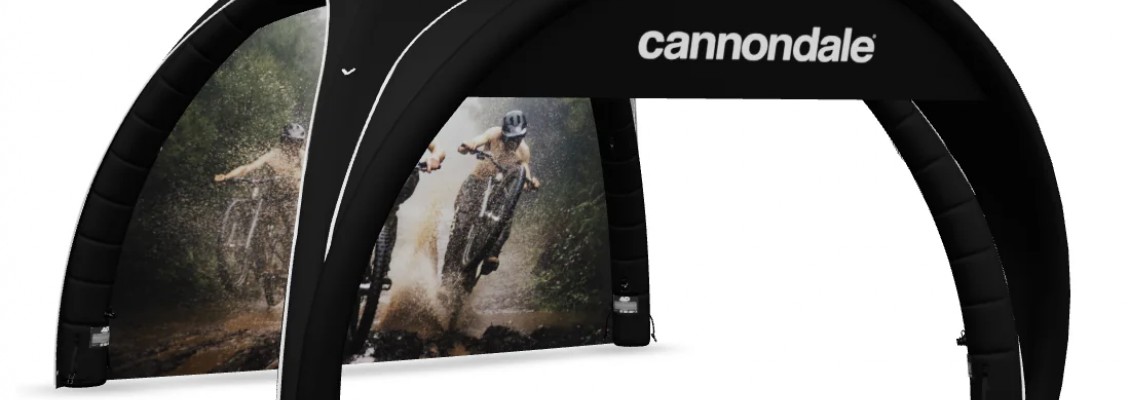
A key component of successful pop-up marketing is the use of temporary event structures, such as branded gazebos, inflatable displays, promotional arches and modular installations. Companies like Airloft specialise in designing and producing these structures, helping brands create visually impactful and professional spaces that can be installed quickly and removed just as easily.
These temporary structures play a crucial role in the success of pop-up campaigns because they combine flexibility, visibility and cost-effectiveness. In this article, we explore the concept of pop-up marketing, why it has become such a powerful strategy, and how structures like those developed by Airloft help brands maximise their impact.
Understanding Pop-Up Marketing
Pop-up marketing is based on the idea of creating temporary brand experiences that capture attention through their limited availability and unexpected presence.
Unlike permanent retail spaces or traditional advertising billboards, pop-up installations appear for a short period of time. This temporary nature generates curiosity and encourages people to engage before the opportunity disappears.
Brands use pop-up marketing in a wide variety of contexts, including:
-
Product launches
-
Brand awareness campaigns
-
Seasonal promotions
-
Festivals and public events
-
Trade fairs and exhibitions
-
Street marketing campaigns
Because these activations are temporary, they allow brands to test new markets, experiment with creative concepts and connect directly with consumers in different locations.
Temporary event structures are essential to making these activations possible.
The Role of Temporary Structures in Pop-Up Marketing
Pop-up marketing relies heavily on structures that can be installed quickly, transported easily and adapted to different environments.
This is where temporary event structures such as gazebos, inflatable arches and branded installations become valuable tools.
Companies like Airloft design structures specifically for these types of campaigns. Their solutions are lightweight, portable and easy to assemble, allowing brands to create professional marketing spaces almost anywhere.
A branded gazebo, for example, can transform an empty outdoor space into a promotional stand within minutes. Inflatable arches can mark the entrance to an activation area, while custom installations can create immersive environments that attract visitors.
These structures provide both practical functionality and visual impact.
Flexibility and Mobility
One of the main advantages of temporary marketing structures is their flexibility.
Brands often participate in multiple events throughout the year. Each event may take place in a different city, venue or environment. Permanent installations would be impractical in these situations.
Temporary structures, however, can be transported easily and assembled quickly wherever they are needed.
Airloft structures are designed with this mobility in mind. Their modular designs allow companies to adapt their setup depending on the space available and the goals of the activation.
This flexibility makes pop-up marketing an extremely versatile strategy.
Creating Immediate Brand Presence
In crowded urban environments or busy events, brands need to capture attention instantly. Temporary structures help achieve this by creating a strong visual presence.
Large branded gazebos, colourful inflatable arches and creative promotional installations naturally attract the eye of passers-by.
Airloft specialises in producing custom-designed structures that reflect the visual identity of each brand. Logos, colours and graphics are integrated directly into the structure, ensuring that the brand remains highly visible.
This immediate visibility is essential for successful pop-up marketing.
Generating Curiosity and Engagement
One of the most powerful aspects of pop-up marketing is its ability to generate curiosity.
Because the activation is temporary, people often feel a stronger motivation to explore it before it disappears. This sense of urgency encourages spontaneous engagement.
Temporary structures play an important role in attracting visitors and inviting them to interact with the brand.
For example, a branded gazebo may host product demonstrations, sampling stations or interactive games. An inflatable arch can mark the entrance to a special promotional area.
Airloft structures provide the framework for these experiences, allowing brands to create engaging environments that encourage visitors to stop, explore and participate.
Supporting Experiential Marketing
Modern consumers are increasingly interested in experiences rather than traditional advertising messages.
Pop-up marketing aligns perfectly with this trend by creating opportunities for people to interact directly with a brand.
Temporary structures help facilitate these experiences. A well-designed gazebo can become a space for workshops, tastings or live demonstrations. A branded installation can host contests or interactive displays.
Airloft designs structures that support these activities, enabling brands to create memorable moments for visitors.
These experiences are far more likely to remain in people’s memories than traditional advertising.
Cost-Effective Marketing Solutions
Another reason why pop-up marketing has become so popular is its cost efficiency.
Permanent retail spaces or long-term advertising campaigns require significant financial investment. Pop-up activations, on the other hand, allow brands to achieve high visibility with lower costs.
Temporary structures can be reused across multiple campaigns, events and locations.
Airloft produces durable structures that are designed for repeated use, making them a long-term marketing asset rather than a one-time expense.
This reusability increases the return on investment for companies that participate regularly in events and promotional activations.
Encouraging Social Media Exposure
Pop-up marketing often generates strong social media engagement.
Visitors frequently take photos and videos during events, especially when the environment is visually appealing or interactive.
Temporary branded structures naturally encourage this behaviour by providing photogenic backdrops.
A colourful gazebo or a creative inflatable installation can quickly become a popular photo spot at an event.
When people share these images online, they extend the reach of the campaign to a much larger audience.
Airloft structures are designed with visual impact in mind, helping brands create installations that are both functional and shareable.
Strengthening Brand Identity
Consistent branding is essential for building recognition and trust.
Temporary structures allow companies to express their brand identity clearly through colours, logos and visual design.
Airloft works closely with brands to create customised structures that reflect their identity and messaging.
When visitors repeatedly see the same visual elements across different events and marketing campaigns, brand recognition becomes stronger.
This consistency helps transform short-term activations into long-term brand awareness.
The Future of Pop-Up Marketing
As consumer behaviour continues to evolve, experiential marketing strategies like pop-up campaigns are becoming increasingly important.
People value authentic experiences and direct interaction with brands. Temporary marketing activations provide exactly this type of engagement.
Temporary structures will continue to play a central role in these campaigns because they make it possible to create professional branded environments almost anywhere.
Companies such as Airloft are helping shape the future of event marketing by providing innovative structures that combine portability, durability and striking design.
Conclusion
Pop-up marketing has become one of the most effective strategies for brands seeking to connect with modern audiences. By creating temporary, engaging experiences in unexpected locations, companies can attract attention and build meaningful connections with consumers.
Temporary structures such as branded gazebos, inflatable arches and promotional installations are at the heart of these campaigns.
With their expertise in event structures, Airloft enables brands to transform simple spaces into powerful marketing environments that capture attention, encourage interaction and leave a lasting impression.
As experiential marketing continues to grow, the importance of flexible and visually impactful temporary structures will only increase.
Leave a Comment